




- Large Inventory
- Cloud Pricing


Cracking the Code of Ultra - Efficient Energy Management
In an era where the global demand for energy is skyrocketing, and the need to transition to sustainable energy sources is more pressing than ever, the concept of ultra - efficient energy management has emerged as a cornerstone of modern technological and environmental strategies. Ultra - efficient energy management encompasses a wide range of practices and technologies aimed at minimizing energy waste, optimizing energy consumption, and maximizing the utilization of available energy resources. At the heart of this endeavor are various electronic components and systems that play a pivotal role in enabling precise control, monitoring, and conversion of energy.
The Energy Management Landscape: Challenges and Imperatives
Rising Energy Demands
The world's energy consumption has been on an upward trajectory for decades. Rapid industrialization, urbanization, and the proliferation of consumer electronics have all contributed to this growth. In emerging economies, the expansion of manufacturing sectors and the increasing adoption of modern lifestyle conveniences, such as air conditioning, refrigeration, and high - tech gadgets, have led to a significant spike in energy requirements. For example, in Asia, countries like India and China have witnessed a dramatic increase in energy demand as their economies continue to grow at a brisk pace.
Environmental Concerns
The environmental impact of traditional energy sources, particularly fossil fuels, has become a major global concern. The combustion of fossil fuels releases large amounts of greenhouse gases, such as carbon dioxide, into the atmosphere, contributing to climate change. The need to reduce carbon emissions and transition to cleaner energy sources is now an international priority. This has led to a growing focus on renewable energy sources like solar, wind, hydro, and geothermal power. However, these renewable sources often come with their own challenges, such as intermittent energy generation (in the case of solar and wind), which makes efficient energy management even more crucial.
Energy Grid Stability
As the energy mix becomes more diverse, maintaining the stability of the power grid is a complex task. The integration of variable - output renewable energy sources into the grid can cause fluctuations in voltage and frequency. This requires advanced energy management systems to balance supply and demand in real - time, ensuring a reliable and stable power supply. For instance, when the wind suddenly picks up or the sun shines brightly, the power grid needs to be able to absorb the excess energy generated by wind turbines or solar panels without causing disruptions.
The Role of Electronic Components in Ultra - Efficient Energy Management
Power Electronics Components
Power electronics is a field that deals with the conversion and control of electrical power. Components such as transistors, diodes, and capacitors are fundamental to power electronics systems. Insulated - gate bipolar transistors (IGBTs), for example, are widely used in applications such as electric vehicle (EV) chargers, power supplies, and industrial motor drives. IGBTs can efficiently switch high - voltage and high - current electrical signals, enabling precise control of power flow. In an EV charger, an IGBT - based circuit can convert the alternating current (AC) from the grid into direct current (DC) for charging the vehicle's battery with high efficiency.
Diodes, another key power electronics component, are used for rectification, which is the process of converting AC to DC. Silicon - carbide (SiC) and gallium - nitride (GaN) diodes are emerging as alternatives to traditional silicon diodes due to their superior performance. These wide - bandgap semiconductor materials have higher breakdown voltages, lower on - resistance, and faster switching speeds, resulting in more efficient power conversion. For example, in a solar power inverter, SiC or GaN diodes can reduce power losses during the conversion of DC power from solar panels to AC power for grid injection.
Energy Storage Components
Energy storage is a critical aspect of efficient energy management, especially for integrating renewable energy sources. Batteries are the most common form of energy storage. Lithium - ion batteries, which are widely used in consumer electronics, electric vehicles, and grid - scale energy storage systems, rely on a complex interplay of electronic components for their operation. Battery management systems (BMS) are essential for ensuring the safe and efficient operation of lithium - ion batteries. A BMS consists of various sensors, microcontrollers, and power - management circuits.
The sensors in a BMS monitor parameters such as battery voltage, current, and temperature. The microcontroller processes this data and controls the charging and discharging of the battery to prevent overcharging, over - discharging, and overheating. Power - management circuits in the BMS are responsible for regulating the flow of electrical energy in and out of the battery. For example, in a grid - scale energy storage system, the BMS ensures that the battery is charged when there is excess electricity on the grid (such as during off - peak hours or when renewable energy generation is high) and discharged when the grid demand is high.
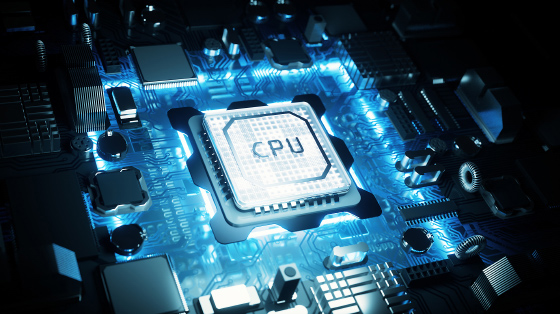
Smart sensors play a vital role in monitoring energy consumption and environmental conditions in various applications. In buildings, for example, sensors can detect occupancy, temperature, humidity, and lighting levels. This data is then used by control systems to optimize energy usage. Motion sensors can turn off lights in unoccupied rooms, while temperature and humidity sensors can adjust the heating, ventilation, and air - conditioning (HVAC) system settings to maintain a comfortable environment with minimal energy consumption.
In industrial settings, sensors are used to monitor the performance of machinery and equipment. For instance, vibration sensors can detect early signs of mechanical failures in motors, allowing for preventive maintenance and reducing energy waste due to inefficient operation. These smart sensors are often connected to a central control system, which can be a programmable logic controller (PLC) or a more advanced distributed control system (DCS). The control system analyzes the data from the sensors and makes real - time adjustments to the operation of the equipment to optimize energy efficiency.
Technological Advancements in Ultra - Efficient Energy Management
Advanced Power Conversion Technologies
Researchers are constantly exploring new materials and designs for power conversion components to improve efficiency. One such area of research is the development of integrated power modules (IPMs). IPMs combine multiple power electronics components, such as IGBTs, diodes, and gate drivers, into a single package. This integration reduces the parasitic inductance and capacitance in the circuit, leading to higher efficiency and smaller form factors. IPMs are increasingly being used in applications such as home appliances, industrial automation, and electric vehicles.
Another promising technology is the use of resonant converters in power supplies. Resonant converters operate on the principle of resonance, which allows for soft - switching of power electronics components. Soft - switching reduces the switching losses in the components, resulting in higher efficiency. These converters are particularly useful in applications where high - power density and high efficiency are required, such as in server power supplies and aerospace electronics.
Energy - Harvesting Technologies
Energy harvesting is the process of capturing and converting ambient energy from the environment into usable electrical energy. This technology has the potential to power low - power electronic devices without the need for external power sources or batteries. There are several types of energy - harvesting mechanisms, including solar energy harvesting, piezoelectric energy harvesting, and electromagnetic energy harvesting.
Solar energy harvesting, which uses photovoltaic cells to convert sunlight into electricity, is perhaps the most well - known. In recent years, the efficiency of solar cells has improved significantly, and their cost has decreased. This has led to their widespread use in applications such as remote sensors, wearable devices, and off - grid power systems. Piezoelectric energy harvesting, on the other hand, exploits the piezoelectric effect, where certain materials generate an electric charge when subjected to mechanical stress. This technology can be used to harvest energy from vibrations, such as those generated by machinery or human movement. For example, piezoelectric sensors can be embedded in the soles of shoes to harvest energy from walking and use it to power wearable electronics.
Internet of Things (IoT) and Energy Management
The IoT has revolutionized energy management by enabling the interconnection and communication of various devices and systems. IoT - enabled energy management systems can collect data from a vast number of sensors and devices, analyze this data in real - time, and make intelligent decisions to optimize energy usage. In a smart building, for example, IoT - connected devices such as smart meters, thermostats, lighting systems, and appliances can communicate with each other and with a central energy management platform.
The energy management platform can use algorithms to analyze the data and develop optimized energy - usage schedules. For instance, it can schedule the operation of energy - intensive appliances, such as washing machines and dishwashers, during off - peak hours when electricity rates are lower. IoT - enabled energy management systems can also provide real - time feedback to users, allowing them to monitor and adjust their energy consumption patterns. This can lead to significant energy savings, as users become more aware of their energy usage and take steps to reduce it.
Future Trends in Ultra - Efficient Energy Management
Integration of Distributed Energy Resources
As the number of distributed energy resources (DERs), such as rooftop solar panels, small - scale wind turbines, and home - based energy storage systems, continues to grow, their integration into the power grid will become more seamless. Future energy management systems will need to be able to coordinate the operation of these DERs to ensure grid stability and optimal energy utilization. This will require the development of advanced communication and control technologies, as well as new market mechanisms to incentivize the participation of DER owners in the energy market.
Development of Smart Grids
Smart grids are the future of electricity distribution. These grids use advanced digital technologies, such as IoT, big data analytics, and artificial intelligence, to improve the efficiency, reliability, and sustainability of the power grid. Smart grids can automatically detect and respond to faults, balance supply and demand in real - time, and integrate renewable energy sources more effectively. In a smart grid, energy management systems will be able to communicate with individual consumers and DERs, providing personalized energy - usage recommendations and incentives for energy conservation.
Advancements in Energy Storage Technologies
The development of new and improved energy storage technologies will continue to be a key area of focus. Lithium - ion batteries are likely to see further improvements in energy density, cycle life, and safety. However, researchers are also exploring alternative energy storage technologies, such as solid - state batteries, flow batteries, and hydrogen fuel cells. Solid - state batteries, which use solid electrolytes instead of liquid electrolytes, have the potential to offer higher energy density, faster charging times, and improved safety compared to traditional lithium - ion batteries. Flow batteries, on the other hand, are well - suited for grid - scale energy storage due to their ability to store large amounts of energy and their long cycle life.
In conclusion, ultra - efficient energy management is a complex and multi - faceted challenge that requires the integration of advanced technologies, innovative policies, and a shift in consumer behavior. Electronic components, with their ability to enable precise control, monitoring, and conversion of energy, are at the forefront of this effort. As we continue to develop and implement new technologies in power electronics, energy storage, smart sensors, and IoT - enabled systems, we can look forward to a future where energy is used more efficiently, renewable energy sources are fully integrated into the grid, and the environmental impact of energy consumption is significantly reduced. Cracking the code of ultra - efficient energy management is not only crucial for meeting our present energy needs but also for ensuring a sustainable and prosperous future for generations to come.
Related information
 >
>
- 1500+ Daily Average RFQ Volume

- 20,000.000 Standard Product Unit

- 1800+ Worldwide Manufacturers

- 15,000+ In-stock Warehouse


